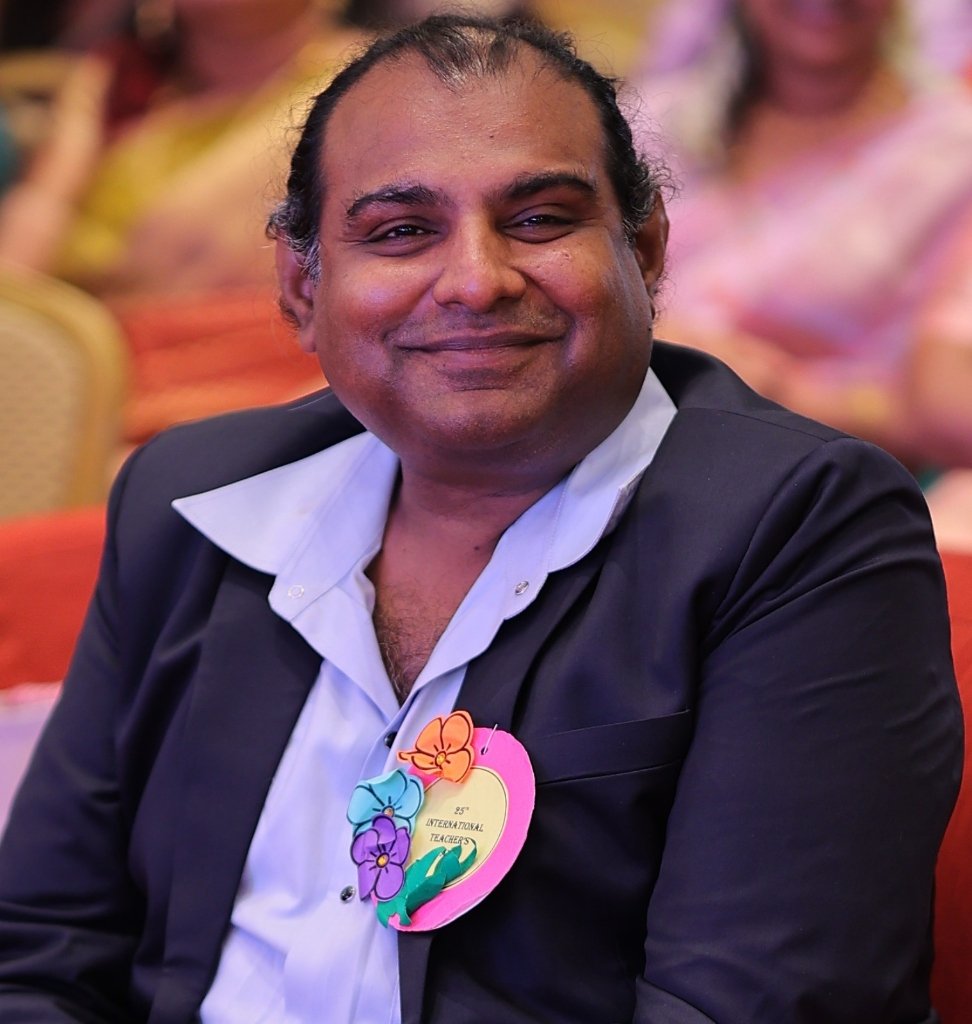
Personal Intelligence Ecosystem: Developing Children's Intelligence Beyond Academics | Dr. J. Arawindhan
Discover how a Personal Intelligence Ecosystem nurtures children's intelligence beyond academics through creativity, critical thinking, emotional awareness, and practical learning.
1. Nurturing Children's Intelligence Beyond Academics
In today's rapidly changing world, education is no longer just about academic marks, examination results, or memorizing information. Children also need creativity, critical thinking, emotional intelligence, communication skills, and the ability to solve real-world problems.
Every child has unique interests, abilities, and ways of understanding the world. Providing opportunities to explore these differences can help children develop confidence, curiosity, and a lifelong interest in learning.
A Personal Intelligence Ecosystem can be understood as a supportive environment that brings together education, experiences, relationships, creativity, and practical activities to encourage a child's overall development.
2. What Is a Personal Intelligence Ecosystem?
A Personal Intelligence Ecosystem is an approach to nurturing children's abilities beyond traditional classroom learning. It focuses on creating opportunities for children to explore different interests, recognize their strengths, and develop the skills needed for everyday life.
Children learn through more than textbooks. They learn by asking questions, observing their surroundings, interacting with others, experimenting with new ideas, and discovering solutions to challenges.
This concept also connects with broader discussions about child development and the importance of recognizing different abilities. It encourages educators to consider a range of intellectual strengths rather than viewing intelligence only through academic achievement.
3. Why Is Intelligence Beyond Academics Important?
Academic knowledge provides an important foundation, but children also need skills that help them apply what they learn in real situations.
Developing creativity can help children generate new ideas. Critical thinking can help them evaluate information and make decisions. Emotional awareness can help them understand their feelings and build relationships. Communication and collaboration can prepare them to work effectively with others.
When children receive opportunities to develop these abilities alongside academic knowledge, they can build a broader foundation for personal growth and future learning.
4. Five Ways to Build a Personal Intelligence Ecosystem for Children
Building a robust personal intelligence ecosystem involves five practical, daily pillars of engagement:
1. Encourage Creativity and Imagination
Creative activities allow children to explore ideas and express themselves. Drawing, painting, storytelling, music, building blocks, and imaginative play can encourage experimentation and original thinking.
Instead of focusing only on the final result, parents and teachers can encourage children to explain their ideas, try different approaches, and learn through the process.
2. Develop Critical Thinking and Problem-Solving
Children should have opportunities to ask questions, investigate problems, and think independently.
Activities such as puzzles, science experiments, strategy games, and practical challenges can encourage logical reasoning. Asking questions like "Why do you think this happened?" or "How else could we solve this problem?" can help children develop their thinking skills.
3. Build Emotional and Social Intelligence
Understanding emotions is an important part of children's development. Children benefit from learning how to identify their feelings, communicate their needs, understand other people's perspectives, and manage disagreements constructively.
Parents and teachers can support these skills through conversations, group activities, storytelling, and positive examples of empathy and cooperation.
4. Support Physical Activity and Sensory Exploration
Children can learn through movement and direct experiences with their surroundings. Outdoor games, sports, dance, gardening, building activities, and nature exploration offer opportunities to observe, experiment, and develop physical coordination.
Engaging different senses through age-appropriate activities can also make learning more interactive and meaningful.
5. Encourage Independent Learning and Decision-Making
Children need opportunities to explore their interests and make age-appropriate choices. Allowing them to select a book, plan a small project, care for a plant, or work through a manageable challenge can encourage responsibility and independence.
Parents should provide guidance while giving children enough space to experiment, make mistakes, and learn from their experiences.
5. The Role of Parents and Schools in Developing Intelligence
Building a Personal Intelligence Ecosystem requires a supportive partnership between parents, teachers, and the wider learning environment.
Parents can encourage curiosity at home through conversations, reading, creative play, outdoor exploration, and practical activities. Schools can complement these experiences through project-based learning, teamwork, sports, arts, experiments, and opportunities for independent thinking.
Children should also have time to rest, play freely, and explore their interests without excessive pressure. A balanced environment allows them to develop at their own pace while gradually building new abilities.
Rather than comparing children with one another, adults can observe individual progress, celebrate effort, and provide opportunities to strengthen different skills.
6. Dr. J. Arawindhan and the Future of Child Development
Discussions about modern education increasingly raise questions about how children can be prepared for a world that demands adaptability, creativity, independent thinking, and continuous learning.
The educational themes associated with Dr. J. Arawindhan can be explored in this broader context of child development and future-ready learning. A Personal Intelligence Ecosystem provides a useful framework for considering how academic learning can be complemented by practical experiences, creativity, emotional development, and opportunities to discover individual strengths.
For children to thrive in a changing world, education should help them understand not only what to learn, but also how to think, explore, communicate, and apply knowledge.
Any specific statements or recommendations attributed directly to Dr. J. Arawindhan should be verified against the relevant podcast recording or transcript.
7. Empowering Confident, Future-Ready Learners
A Personal Intelligence Ecosystem is about creating an environment in which children can develop beyond academic achievement. Through creativity, critical thinking, emotional awareness, physical activity, and independent exploration, children can build a wider range of abilities that support their overall development.
Parents and schools play an important role in making these opportunities part of everyday life. By encouraging questions, welcoming new ideas, supporting individual interests, and allowing children to learn from experience, they can help children become more confident and capable learners.
The goal of education is not simply to prepare children for examinations. It is to help them develop the knowledge, skills, confidence, and curiosity they need to navigate life and contribute meaningfully to the future.
Frequently Asked Questions (FAQs)
What is a Personal Intelligence Ecosystem?+
A Personal Intelligence Ecosystem is a supportive learning environment that encourages children to develop a variety of abilities through education, experiences, relationships, creativity, and practical activities.
What does Dr. J. Arawindhan explain about building a Personal Intelligence Ecosystem for children?+
Dr. J. Arawindhan highlights the importance of looking beyond academic achievement when thinking about children's development. Building a Personal Intelligence Ecosystem involves encouraging creativity, critical thinking, emotional intelligence, communication, and practical learning experiences to help children discover their strengths and become confident, future-ready individuals.
How can children develop intelligence beyond academics?+
Children can explore creative activities, solve problems, participate in sports, develop communication skills, practise emotional awareness, and learn through real-world experiences.
What is the role of parents in building a Personal Intelligence Ecosystem?+
Parents can encourage curiosity, provide varied learning experiences, support children's interests, and give them opportunities to make age-appropriate decisions and learn independently.
Why is intelligence beyond academics important for future-ready children?+
Skills such as critical thinking, creativity, communication, adaptability, and emotional awareness can help children navigate challenges, build relationships, and apply their knowledge in everyday situations.